Stop chasing balance and start composing alignment
In coaching, I hear a version of the same sentence from people in their 30s and 40s: “I wake up, work, do chores, scroll a bit, sleep, repeat. When exactly am I supposed to have a life?” They aren’t lazy or ungrateful. They’re living inside a system that quietly normalizes burnout and labels it ambition. Hustle culture says, “Want it more.” Your body says, “I’m done.”
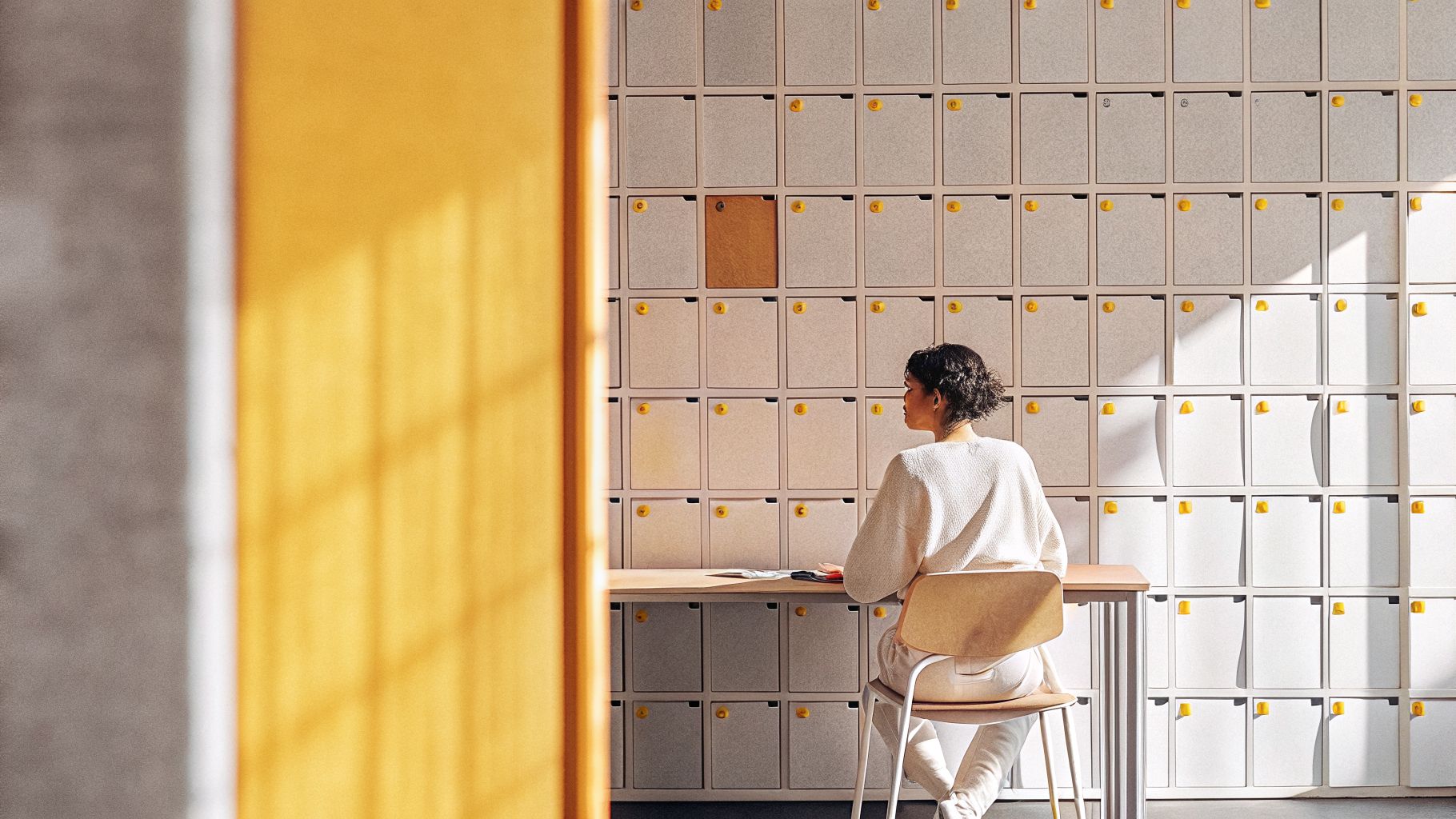
Here’s the frame shift that changes everything: work life alignment (not “work-life balance”) often turns your day into a scoreboard. If work wins, life loses. If life wins, work feels guilty. Instead, I teach alignment—living as one coherent person across the whole day. It’s less about a perfect 50/50 and more about composition: how the pieces fit together around what you value.
This is also why you don’t need a dramatic overhaul. You need small, repeatable moves that nudge your life back toward you—inside real constraints: full-time work, bills, caregiving, commutes, and limited energy. Think of artful living as a practice, not a personality trait.
Use the five-pillar rhythm to make change realistic
When life feels like a conveyor belt, I like a simple structure: a five-pillar rhythm. Not lofty ideals—just dials you can adjust, even on crowded days.
- Emotional resilience: Notice what you feel, then name what you need. Resilience isn’t “pushing through”; it’s pausing long enough to choose your next move.
- Physical well-being: Support the body you’re asking to carry your whole life.
- Stress relief: Downshift the nervous system on purpose, not only when you crash.
- Meaningful living: Joy, connection, and creativity—in small doses that fit real schedules.
- Time and energy protection: Boundaries, focus, and “good enough” standards.
One professor I worked with realized she was teaching resilience while neglecting her own. She started a weekly log of emotional highs and lows and spotted patterns: certain meetings consistently left her depleted. She wrote a boundary phrase on a sticky note: “It sounds like a wonderful opportunity, but I’m at full capacity.” That one sentence became a lever—no drama, no over-explaining, just alignment.
The point of pillars is coverage. If you only optimize productivity, you eventually pay for it in sleep, mood, relationships, and health. If you touch one pillar per day, you create stability without needing perfect conditions.
Build “micro-restoration” into the hours you already have
Most people wait for a calm week to start taking care of themselves. That week rarely arrives. So I aim for what I call micro-restoration: small pockets where your system resets before it breaks.
Physical well-being that doesn’t require a new personality
Physical support doesn’t have to look like a full gym routine. Start with frictionless upgrades:
- Get off transit one stop early twice a week.
- Drink water before coffee.
- Turn one meeting per day into a standing meeting.
- Protect one consistent bedtime on weeknights.
- Keep “default food” visible (fruit, yogurt, nuts) so convenience doesn’t always mean junk.
When the body is even slightly more supported, you get more bandwidth to enjoy your life instead of bracing against it.
Stress relief that’s subtractive (not just distraction)
Many of us think “handling stress” means tolerating more of it. Real relief is subtractive: reducing load and adding tiny downshifts.
Try this simple sequence:
- Between meetings: three slow breaths, longer exhale than inhale.
- After work: a five-minute walk before you open another app.
- Before bed: a two-minute stretch and dimmer lights.
If you think, “I don’t have time,” check what happens to ten minutes of scrolling. Time isn’t only found; it’s reclaimed.
This is for informational purposes only and not a substitute for professional medical, mental health, or legal advice. Consult a qualified professional for personal guidance.
Make room for joy and hobbies with work life alignment (and “small daily proof”)
The question I’m asked most is practical: “How do I fit hobbies into a full-time week?” The honest answer is: you may not fit everything, but you can fit something—if you stop waiting for big chunks of free time.
Direct answer: Start by choosing one small hobby-friendly action you can repeat most days (even 10 minutes). Then protect it with a simple boundary and a tiny transition ritual after work. That’s the core of work life alignment: you’re not trying to split life evenly—you’re making your real week reflect what matters.
The question I’m asked most is practical: “How do I fit hobbies into a full-time week?” The honest answer is: you may not fit everything, but you can fit something—if you stop waiting for big chunks of free time.
Two practices that change the texture of your week
- Chart the best moment of the day: At night, write one best moment—small counts. Over a year, you collect 365 moments. This trains attention to notice what’s already alive in your life.
- Schedule one loved thing daily (10 minutes): guitar, sketching, reading three pages, watering plants, a short call with a friend. The art is in consistency, not spectacle.
Protect time and energy without becoming rigid
None of the above works if your energy leaks everywhere. So I use two tools:
- One focus for the day: Choose the one thing that makes the day feel “used well.” Touch it, then let the rest be good enough.
- A boundary script you can actually say:
- “I can’t take that on this week.”
- “I’m at full capacity right now.”
- “I can do X, not Y.”
Underneath tactics is the deeper question: Why do I do what I do? When you’re clear on values—health, creativity, connection—you can see what your current week supports and what it steals. Then you adjust the canvas: one pillar, one habit, one boundary at a time. Practice, not a test.
About Irena Golob
Irena Golob is a High-Performance Mindset Coach and Behavioral Transformation Expert who helps people break invisible patterns that keep them stuck in burnout and repetition. Her work blends practical mindfulness, emotional regulation, and values-based behavior change for measurable, lasting results. Learn more on her Website.