The art of life is shaped in the quiet “in-between” moment
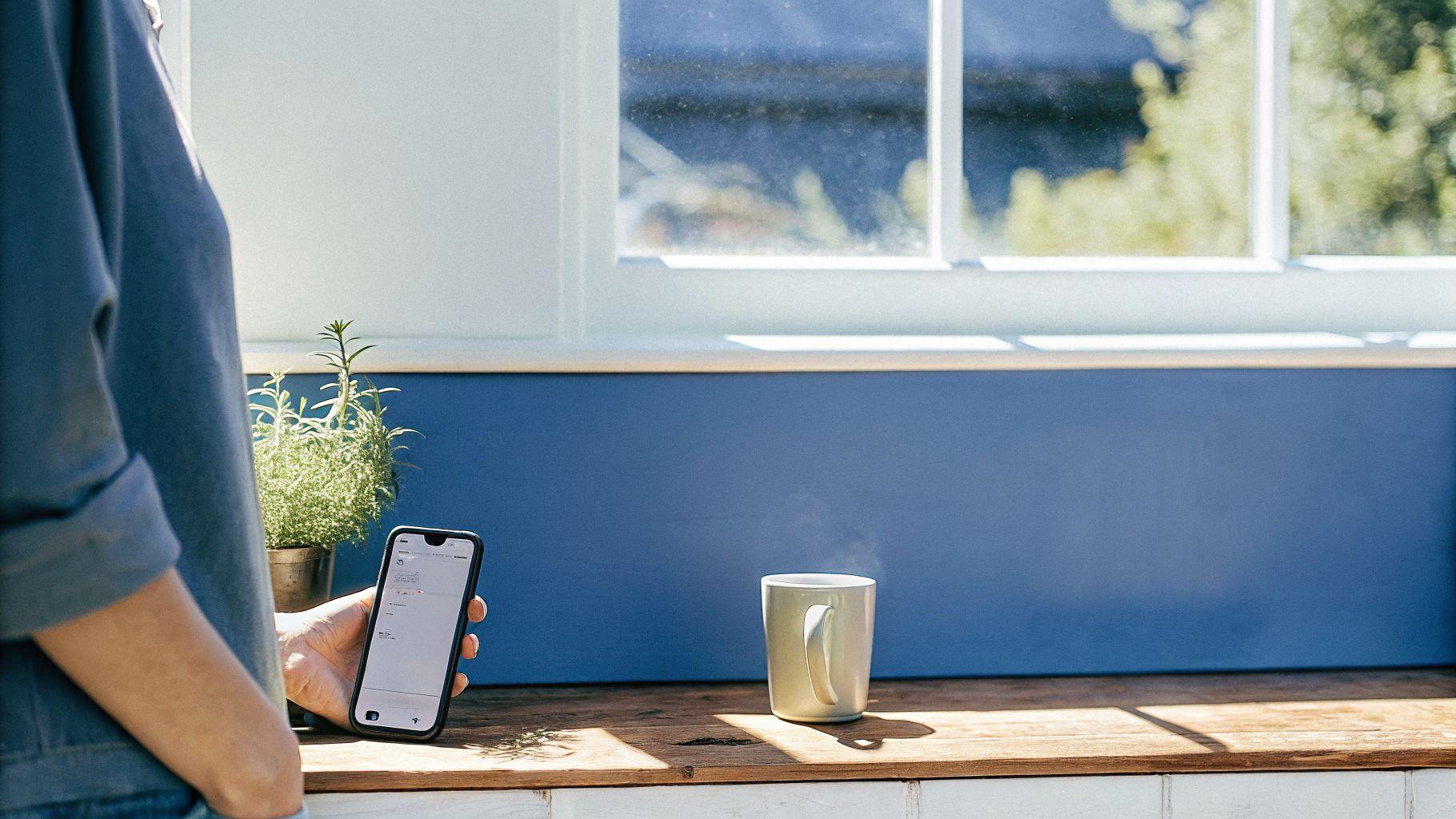
The moment that decides your day rarely looks dramatic—and it’s often where the art of life is practiced (or missed). It’s the one where you’re standing in the kitchen after work, phone in hand, half-scrolling, half-thinking, “I should do something meaningful with my evening,” and then… you don’t. You default to the great blur: a little email, a little news, a little social, and suddenly it’s midnight.
In my coaching work, people confess this with surprising honesty: “I know the ideas. I just don’t live them—unless I’m in crisis.” They want a philosophical mindset, mental resilience, clarity—but also something concrete to aim at, not just inspiring quotes. This is where I reframe the whole project: mastering the art of life is less about big breakthroughs and more about treating your day like a training ground, the way an athlete treats the gym.
Historically, philosophy wasn’t just theory. It was training—structured, repeatable exercises that changed how a person met reality. The Stoics didn’t merely write about resilience; they practiced it with drills: imagining adversity in advance, “zooming out” to a wider perspective, and reviewing the day at night. In modern terms: they built resilience reps.
If you only return to these practices when you’re overwhelmed, it’s not a character flaw—it’s a missing frame. Without a target, practice feels optional. With one, your routines become the gym where you quietly get stronger.
FAQ: What does it mean to practice philosophy in everyday life—and how do you stay consistent?
Practicing philosophy day to day isn’t mainly about getting a degree, winning debates, or collecting quotes. It’s about building repeatable moments where you notice what’s happening, choose your response, and act in line with your values.
If you tend to return to philosophy only in crisis, the fix is usually structural: keep the practice small enough to survive comfortable seasons. Pick one anchor ritual (2 minutes is enough), tie it to something you already do, and treat setbacks as part of training—not a reason to quit.
Turn habits into rituals (same action, different attention)
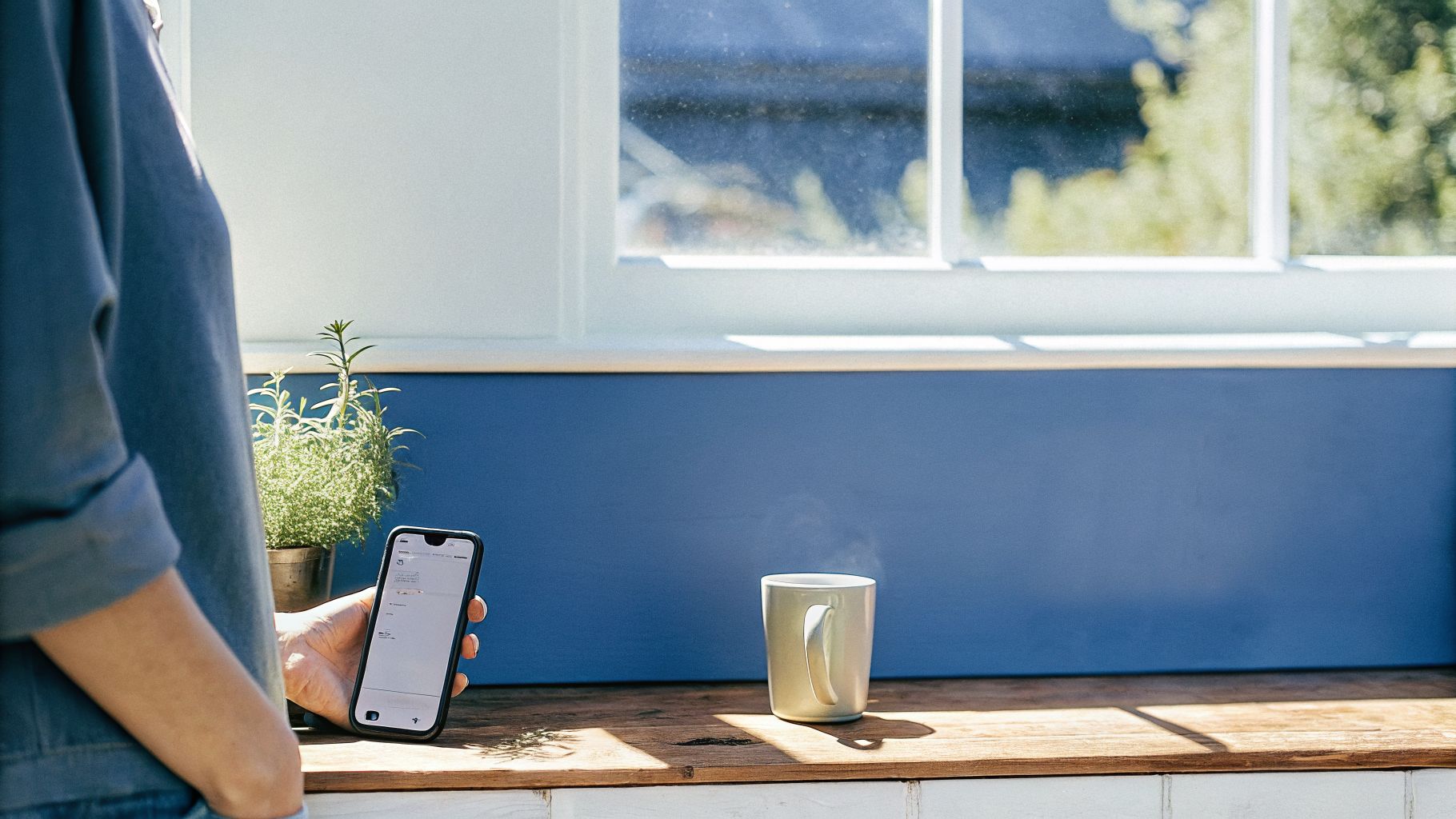
So what does “training” look like between waking up, commuting, replying to messages, and trying to have a personal life? Start with the most underestimated resource you have: your ordinary actions. Making coffee. Brushing your teeth. Opening your laptop. Chopping vegetables.
Most of these are habits—automatic, half-conscious, done while your mind is elsewhere. Artful living begins when you convert a few into rituals:
- A habit is: “I do this on autopilot.”
- A ritual is: “I do this with intention.”
The action can be identical; the difference is the quality of attention and the message it sends to your nervous system: “I’m here. I’m steering.”
Try one simple upgrade for 7 days:
- Pick one anchor action: coffee/tea, the first login, washing your face, or setting dinner.
- Remove one distractor: place the phone face-down in another room (or at least out of reach).
- Add one intention sentence: “For the next 2 minutes, I’ll do one thing fully.”
Irena Golob teaches mindfulness as a discipline of awareness, not a vibe. That matters here: rituals don’t require extra time. They require clean contact with the moment you’re already in.
A practical example: the kitchen table as a “classroom.” Not in the sense of debating Plato over dinner, but in the way chopping, stirring, setting the table, and eating teaches care, values, and identity. When you reclaim that space from “get food in me while I scroll” to “this is where I practice presence and connection,” you’re doing applied philosophy in a form your life can actually hold.
Train presence in micro-moments so it shows up under stress
Presence isn’t a mood you wait for; it’s a skill you train. Mindfulness, as I use it with clients, is simply being aware of what is happening, as it’s happening, without immediately judging it or escaping it. Not clearing your mind. Not becoming a monk. Not sitting for an hour.
Many studies in modern mindfulness research suggest that brief, consistent practice can improve stress regulation and attentional control over time—especially when it’s repeatable and realistic. (Exact outcomes vary by person and study design.) In plain language: frequency beats intensity.
Here’s the easiest way to make it practical: locate the “already slow” parts of your day. Waiting for the kettle. Riding the elevator. Walking from the car to the door. Standing at the sink.
Use this 30–60 second drill:
- Step 1: Sensation. Notice 3 body sensations (feet, jaw, shoulders, breath).
- Step 2: Sound. Notice 3 sounds (near, far, inside).
- Step 3: Sight. Notice 3 visual details (light, color, shape).
That’s it. You’re not adding a new task; you’re changing the quality of an existing one.
This is where mindfulness and philosophy meet. Mindfulness gives you the raw data—what you actually feel, think, and do in real time. Philosophy gives you tools to interpret and choose. When something goes wrong (late train, child melting down, vague email at 9 p.m.), ask a Stoic-flavored question that cuts through reactivity:
“Given that this is happening, what kind of person do I want to be next?”
Those frictions are not interruptions to your practice. They are the practice. They’re your training equipment, not proof you’re failing.
Build consistency with “one thing a day” and protect room for creativity
The real sticking point is consistency. Many people practice deeply during a breakup, burnout, or illness—then drift when life smooths out. Human nature. But if you want resilience before the next crisis, your structure must be small enough to keep when you’re comfortable.
I often recommend a one thing a day approach: one deliberate act that trains presence or perspective. Choose one:
- A 2-minute evening review: “Where did I act in line with my values today? Where did I drift?”
- One gratitude note: not forced positivity—just one true detail your mind would otherwise skip.
- One “pause before reply”: one breath before you send a reactive message.
To make this stick, use a tiny tracking method. A simple table in a notes app works:
| Practice | Minimum dose | When | Proof it happened |
|---|---|---|---|
| Evening review | 2 minutes | after brushing teeth | 3 bullet points |
| Presence drill | 30 seconds | kettle/elevator | “done” checkmark |
| Creative act | 10 minutes | after dinner | photo / timestamp |
Then add the often-overlooked layer: creativity. Many adults separate “productive” hobbies from “just for fun,” and feel guilty when they choose enjoyment over output. But enjoyment isn’t a distraction from productivity; it’s a different kind of productivity. It produces aliveness, perspective, and recovery capacity.
Your creative act can be small and ordinary: a sketch, a garden pot on the balcony, a playlist you listen to without multitasking, a slow recipe once a week. The point is the stance: “My inner world matters enough to be expressed.”
If you want more structure for turning awareness into behavior change, you can explore resources on my Website and adapt the tools to your routines rather than adding another demanding program.
Disclaimer: This article is for informational purposes only and not a substitute for professional medical, psychological, or legal advice. Consult a qualified expert for personal guidance.